
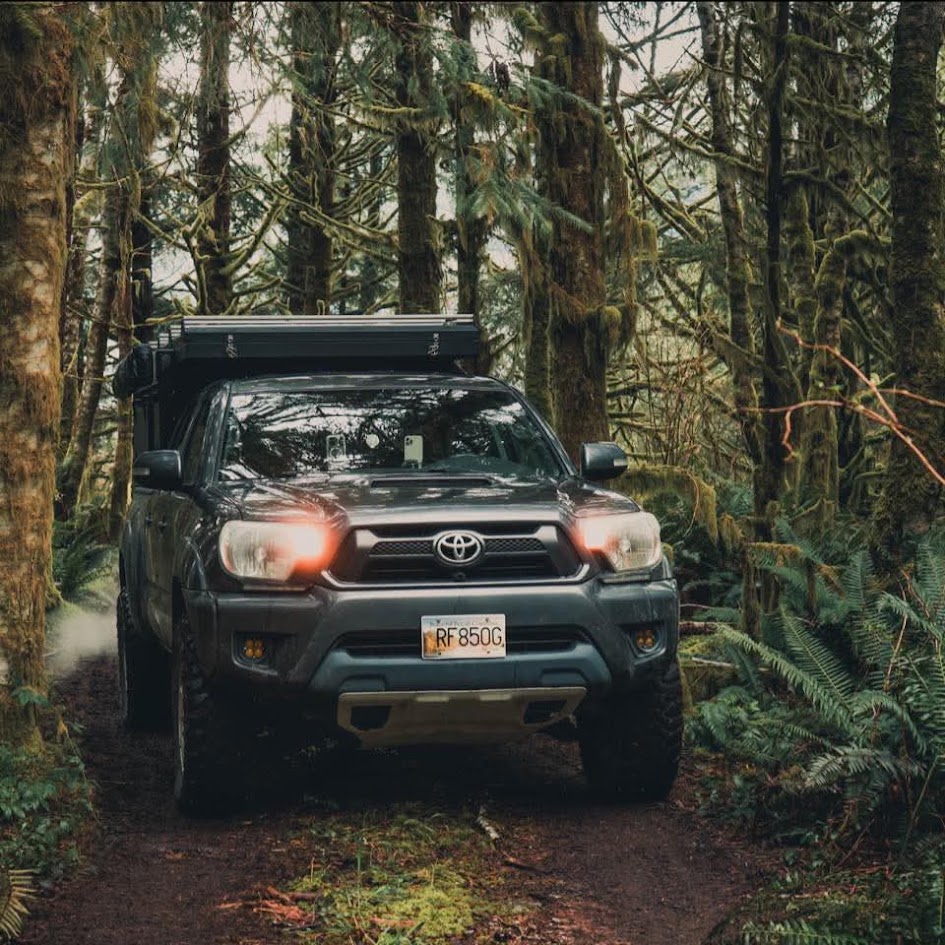
A washboard road outside the pavement ends quickly exposes weak camping setups. Loose gear starts moving, latches rattle, weight shifts, and a tent that seemed fine at camp becomes a chore in wind, rain, or cold. A true off road truck camper is built for that moment. It should keep your gear protected, give you a fast and dry place to sleep, and let your truck remain useful where a conventional RV or heavy slide-in camper simply does not belong.
The goal is not to turn a pickup into a rolling condo. The goal is to build a compact, capable base camp that follows you down forest service roads, across prairie trails, into trailhead parking lots, and through changing seasons without asking too much from the truck underneath it.
Start With Weight, Not Floorplan
The most common mistake in camper shopping is looking at sleeping capacity before looking at payload. A camper can have a great-looking interior and still be the wrong fit if it consumes too much of your truck’s available carrying capacity.
Every pound affects braking, acceleration, tire wear, suspension behavior, and control on uneven terrain. High weight also changes how a truck feels on off-camber roads. Add passengers, recovery gear, water, fuel, bikes, tools, food, and a weekend’s worth of equipment, and an already-heavy camper can push a truck well past its practical working range.
For off-road use, low weight pays dividends every mile. A lightweight aluminum and composite camper in the 300 to 450 pound range leaves room for the gear that actually supports a trip. It also helps preserve the daily-driver behavior that many truck owners need from Monday through Friday.
That does not mean the lightest option is automatically best. A bare canopy with a mattress may be light, but it may offer limited weather protection, little security, and no useful storage system. The right build balances low weight with a structure that can take vibration, weather, and real use.
An Off Road Truck Camper Needs a Low Center of Gravity
Height is useful when you are sleeping. It is less useful when branches are scraping the roof or the truck is leaning into a rutted trail. This is where pop-up truck campers and canopy-based systems earn their place.
A low-profile camper keeps the truck closer to its original shape while traveling. That means less wind resistance on the highway, better clearance under trees, and less top-heavy feeling on uneven ground. Once parked, a pop-up sleeping area creates the headroom and sleeping space that a fixed low canopy cannot provide.
There is a trade-off. A pop-up system has moving components, fabric panels, and lifting hardware that need to be properly designed and maintained. Quality matters here. The roof should lift smoothly, lock securely, and handle the real load of bedding, racks, or gear where the design allows it. Look closely at roof-lift ratings rather than assuming every pop-top is ready for rooftop cargo.
A practical layout also matters. Some travelers need an elevated sleeping area over the cab to preserve the full bed length for cargo. Others prefer a rear sleeping setup with easier entry and more flexible bed storage. Neither option wins in every situation. Choose based on how you pack, who sleeps inside, and whether your truck is primarily an expedition rig, a work truck, or both.
Storage Is Part of Shelter
A truck bed full of loose bins is not an organized overland setup. It is a compromise that gets old when you are unloading half your gear to find a stove, a recovery strap, or dry layers after dark.
The best camper systems treat storage as a core function, not an accessory. Enclosed side compartments, pass-through access, secure doors, and a usable interior cargo area make it easier to carry tools, camp equipment, hunting gear, fishing equipment, or mountain bikes without leaving valuables exposed in the bed.
Think about access before you buy. Can you reach daily-use gear without climbing into the truck? Can you open doors with a trailer connected? Is there a protected place for wet boots, recovery equipment, and fuel containers? Can the setup carry long items without forcing them onto the roof?
A good off-road truck camper makes camp faster because essential gear has a home. You should be able to stop, pop the roof, cook a simple meal, and get out of the weather without a 30-minute unpacking routine. That difference matters after a long drive or when the forecast turns ugly.
Security Should Not Be an Afterthought
A rooftop tent gets you off the ground, but it does little for the equipment below it. Traditional truck caps offer enclosed storage, but many are not designed with serious intrusion resistance in mind. If your truck carries expensive outdoor equipment, cameras, tools, firearms where legally and responsibly transported, or recovery gear, security deserves more attention.
Look for construction that resists prying and forced entry, with solid doors, protected hinges, quality latches, and a structure that does not rely on thin panels or wood framing. A formed aluminum exoskeleton and no-wood composite construction are especially well suited to hard use. They avoid the moisture issues that can follow damaged wood-based assemblies while delivering a strong shell around your equipment.
Security also supports better travel decisions. When gear is protected, you can leave the truck at a trailhead, spend a day on the water, or grab supplies in town without wondering whether every valuable item needs to come with you.
All-Season Means More Than a Heater
Cold-weather camping is not only about staying warm at night. It is about managing moisture, wind, condensation, and wet equipment over multiple days. A camper built for all-season use needs thoughtful material choices, insulation options, durable seals, and ventilation that works when the temperature drops.
Soft-wall pop-up campers will always have different cold-weather behavior than a hard-sided RV. That is simply physics. But a well-built pop-up can still be an effective four-season shelter when it uses quality materials, fits tightly, sheds weather, and supports insulation where needed. The advantage is that you retain a lighter, lower profile platform without giving up the ability to camp well beyond summer.
For Western mountain weather, plan for more than the brochure photo. Ask how the camper handles wind-driven rain, how windows seal, where condensation collects, and how easy it is to dry out the sleeping area. A reliable ventilation plan is often as valuable as extra insulation.
Build Around Your Actual Travel Style
There is no single perfect truck camper because there is no single perfect trip. A solo angler who drives remote gravel roads has different needs than a couple carrying bikes, a hunter hauling gear into late fall country, or a family using a truck as a weekend escape vehicle.
Before choosing a platform, be honest about your routes and habits. If most of your miles are highway with occasional dirt roads, comfort and interior features may matter more than extreme clearance. If you regularly travel narrow, rocky routes, then minimal weight, compact dimensions, and low travel height should lead the decision.
Also consider installation and support. Proper mounting, wiring, load distribution, and pre-delivery inspection are not minor details. They determine whether a camper feels integrated with the truck or becomes a source of rattles, electrical issues, and premature wear. A builder or installer who works across truck and camper configurations can help identify payload concerns, fitment limitations, and accessory choices before they become expensive problems.
Blindman Overland builds the Yucca-Pac around this practical middle ground: Canadian-made, lightweight shelter and secure canopy storage for truck owners who want to travel farther without carrying more camper than they need.
The Best Setup Makes You More Likely to Go
A capable camper should reduce friction. It should protect your equipment on the drive, give you a dependable place to sleep when conditions change, and pack down fast enough that breaking camp never feels like a project.
Choose the platform that respects your truck’s limits and matches the terrain you actually travel. Then load it with the essentials, keep your recovery and safety equipment accessible, and leave enough capacity for the unexpected. The right camper does not make the backcountry predictable. It gives you the confidence to meet it on its terms.