
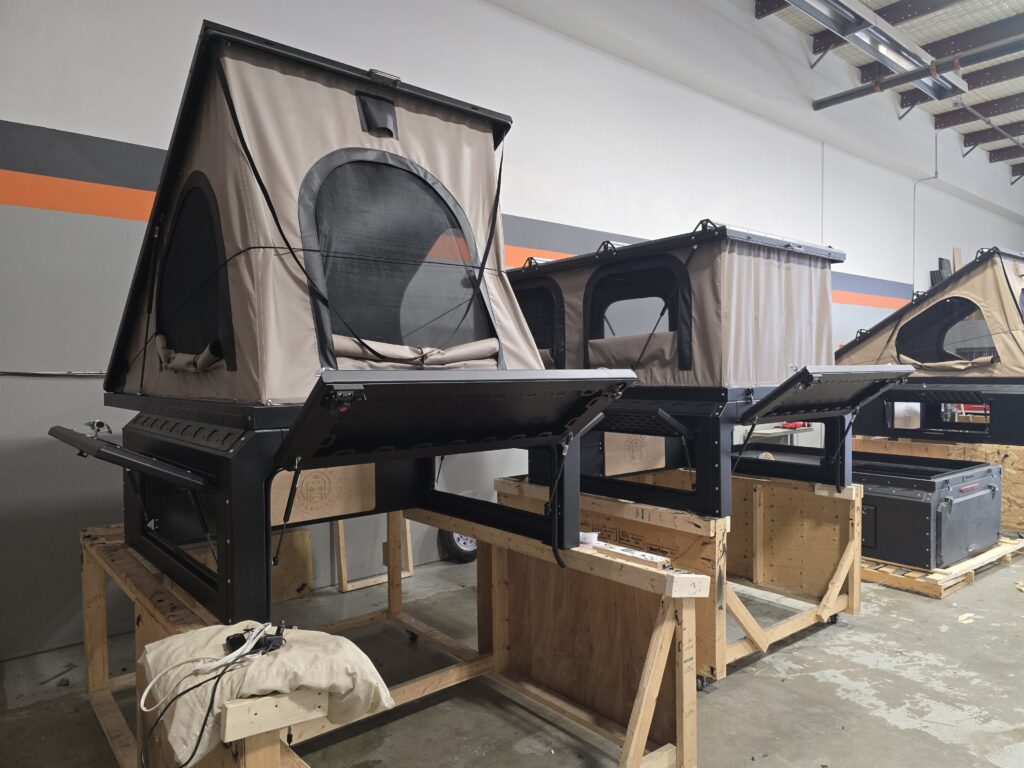
A lightweight aluminum truck camper changes what your pickup can do without turning it into a dedicated RV. You keep the truck’s everyday usefulness, protect the gear that normally gets buried under a tarp or strapped into the bed, and gain a dry place to sleep when the weather turns. For people who run forest roads, trailheads, hunting leases, mountain bike zones, and long stretches of highway, that combination matters more than luxury trim.
But “lightweight” is not a shortcut for flimsy, and “aluminum” is not automatically the best answer. The right camper has to manage payload, movement, insulation, storage, security, and the reality of rough travel. Here is what separates a useful aluminum truck camper from an expensive box in your bed.
Why weight changes the whole truck-camping experience
Every truck has a payload rating, and a camper is only part of the number. Add passengers, water, recovery gear, food, a fridge, tools, fuel, bikes, and a dog, and that remaining capacity goes quickly. A 1,500-pound hard-side slide-in can make sense for a heavy-duty pickup built around that load. It is a different proposition for someone who wants to keep a midsize truck nimble on tight trails or use a half-ton as a daily driver.
A camper in the roughly 300- to 450-pound range gives you more room to build a sensible travel load. It can reduce rear-end sag, braking strain, suspension wear, and the tendency for a truck to feel top-heavy on off-camber roads. Lower weight also makes a difference in mud, snow, sand, and washboard terrain, where momentum and traction are harder to manage.
That does not mean a light camper eliminates the need to check ratings. Start with the payload sticker on the driver’s door jamb, not a brochure number. Then account for every permanent accessory and real travel item. A bed rack, drawer system, heavy wheels, rooftop gear, auxiliary batteries, and even a full cooler all count.
The goal is not simply to be under the rating on paper. It is to create a truck that still feels controlled when the road runs out.
What aluminum brings to a truck camper
Aluminum is a strong fit for overland use because it delivers structural capability without the weight penalty of many traditional camper builds. It does not rot like wood, and it does not depend on hidden timber framing that can hold moisture after a leak. That matters when a rig sees freeze-thaw cycles, wet gear, snow load, dust, and years of road vibration.
The build method matters as much as the material itself. Thin aluminum skin over an underbuilt frame may look clean at delivery but can flex, rattle, or fatigue over time. A formed aluminum exoskeleton and a no-wood composite structure create a more purposeful platform. The camper should feel like part of the truck, not a loose accessory perched in the bed.
Aluminum also gives builders the ability to create useful shapes for doors, storage areas, roof structures, and weather sealing. Good design protects the places that see constant use: latches, hinges, corners, roof transitions, and the points where the camper meets the truck bed.
There are trade-offs. Bare metal conducts heat, so an aluminum camper needs thoughtful insulation and condensation management to work in real shoulder-season and winter conditions. Aluminum can also cost more than basic wood-framed construction. Those costs make sense when the design delivers long-term durability, low weight, and a structure that can handle hard use.
A lightweight aluminum truck camper should carry more than a mattress
Sleeping inside the truck bed is only half the job. The better question is what the camper lets you bring, protect, and reach once camp is set.
A canopy-style camper with a pop-up sleeping area keeps the lower bed open for enclosed cargo. That is a major advantage over a rooftop tent and a practical alternative to a bulky slide-in. Recovery boards, fishing gear, hunting equipment, climbing packs, tools, camera cases, camp kitchen bins, and wet boots can stay inside a lockable space rather than riding exposed in the bed.
For many owners, secure storage is the deciding factor. A truck is often parked at trailheads, gas stations, hotels, job sites, or dispersed campsites where gear should not be visible or easy to grab. Look beyond a basic locking handle. Anti-intrusion construction, protected access points, durable door hardware, and a structure that resists prying add real peace of mind.
This layout also keeps the truck organized. You can sleep above your cargo, leave frequently used equipment below, and avoid rebuilding camp every time you need a jacket or stove. If you travel with bikes, skis, a dog crate, hunting gear, or recovery equipment, that operational simplicity has value.
Pop-up sleeping keeps the profile low
A pop-up roof is not just about looking good on the road. Lower profile means less wind resistance, better garage and tree-clearance potential, and less bulk when driving through crosswinds or narrow tracks. At camp, the roof lifts to provide standing room and a proper sleeping platform without forcing you to tow a trailer or carry a tall fixed shell everywhere.
Pay attention to the lift system and roof capacity. A camper roof that can support additional gear may suit travelers carrying lightweight solar, awnings, traction boards, or select rack-mounted equipment. Still, roof weight affects center of gravity and lifting effort. Pack the roof with purpose, not because there is an open surface available.
All-season use is about details, not a label
Four-season capability is easy to claim and harder to build. A camper prepared for cold weather needs insulated panels or liners, dependable seals, protected entry points, and ventilation that helps manage moisture from breathing, cooking, and wet clothing. In hot weather, that same ventilation helps the sleeping area stay usable after a day in the sun.
Winter truck camping also requires realistic expectations. No compact pop-up camper will feel like a full-size cabin during a deep Alberta cold snap or a high-elevation storm in the Rockies. Your sleep system, heat source, battery capacity, water strategy, and willingness to manage condensation all matter. The point is to have a shelter that holds up when conditions change, not to pretend weather does not exist.
A Canadian-built platform such as the Yucca-Pac is designed around this reality: lightweight aluminum construction, no wood to rot, protected storage, and a compact profile for serious travel. The best configuration depends on your truck, your typical trips, and how much gear you need to carry.
Fitment comes before accessories
It is tempting to start with awnings, lighting, batteries, racks, and a fridge slide. Start with fitment instead. Confirm the camper is designed for your bed length, bed rail configuration, tailgate use, cab clearance, and intended tie-down system. Installation should be treated as a safety and longevity issue, not an afterthought.
A properly mounted camper should distribute loads correctly, avoid contact points that damage the truck, and remain secure on rough roads. Wiring should be protected and routed cleanly. Any auxiliary lighting, charging system, or power connection needs to be installed with serviceability in mind, because equipment eventually needs inspection, repair, or upgrades.
This is where a knowledgeable installer earns their keep. Pre-delivery inspection, correct mounting hardware, torque checks, seal inspection, and a clear walk-through prevent small mistakes from becoming road-trip problems.
Choose the camper around your actual trips
If your travel is mostly paved roads and established campgrounds, nearly any light camper can look appealing. If you regularly drive washboard access roads, cross mountain passes, camp in wind, carry valuable gear, or leave on Friday after work with little prep, build quality becomes more important.
Consider where you camp, not just where you dream of camping. A solo angler may prioritize quick setup and rods locked inside. A couple traveling for weeks may need more sleeping room and a more developed power system. A mountain biker may want protected storage and an exterior rack strategy. A hunter may value low profile, discreet appearance, and the ability to keep equipment out of sight.
The right camper makes those routines easier without asking your pickup to become something it is not. Keep the load low, keep the gear secure, and choose a structure built for the roads you actually drive. Then point the truck toward the next trailhead and stay out a little longer.