
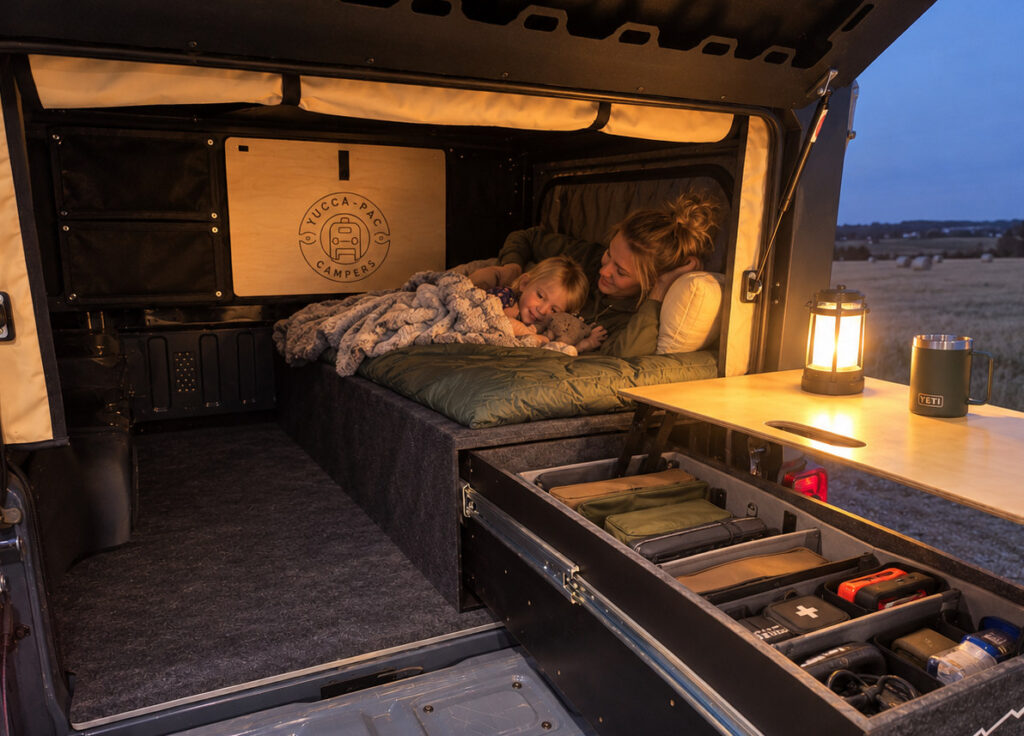
A muddy recovery strap, expensive bike gear, a stove, tools, and a sleeping bag all compete for the same space in a pickup bed. Without a plan, they slide, rattle, get wet, and become easy targets at trailheads. Secure truck bed gear storage is not just about keeping a clean rig. It is about carrying the equipment that makes the trip possible while protecting it from theft, weather, wildlife, and rough roads.
For truck owners who camp, hunt, fish, ride, or travel beyond pavement, storage needs to work as hard as the truck. The best setup keeps weight low, access quick, and critical gear out of sight. It should also leave room for the unexpected: a wet jacket after a storm, firewood on a cold night, or a recovery kit needed far from the nearest paved road.
What Secure Truck Bed Gear Storage Must Do
A locking toolbox can be useful, but it is only one answer. Real-world truck bed storage has to balance security, weather protection, organization, and usable cargo space. A system that protects gear but requires unloading half the bed to reach a first-aid kit is not working for you.
Start by thinking about how you use your truck between trips. A daily driver needs storage that does not turn every hardware-store run into a packing exercise. An overland rig needs a place for recovery gear, camp equipment, food, and clothing without piling everything around a wheel well. Hunters and anglers may need to separate muddy boots, wet waders, fuel, and clean sleeping gear.
Security also means more than a lock on a lid. A determined thief looks for exposed hinges, thin panels, weak latches, and equipment that can be removed in seconds. A good system limits pry points, keeps valuables out of view, and makes the bed harder to access when the truck is parked at a trailhead, campground, or hotel lot.
Security Starts With the Structure
The truck bed itself is open by design. A tonneau cover improves concealment, but many are not intended to stop forced entry. Soft covers are fast and lightweight, yet they can be cut. Folding hard covers add more protection, but their seams, side rails, and tailgate gaps still matter.
A lockable canopy or canopy camper changes the equation. It encloses the entire bed, protects gear from wind-driven rain and road spray, and gives you a solid barrier between your equipment and the outside world. Material choice matters here. Aluminum and composite construction can offer serious protection without loading the truck down with the weight of a traditional slide-in camper.
Blindman Overland builds the Yucca-Pac around this kind of practical security: an aluminum exoskeleton, no-wood composite construction, enclosed storage, and a compact pop-up shelter built for hard use. The point is not to make your truck look tactical. The point is to keep your gear protected and ready when the road turns rough.
Organize by Access, Not by Category
The most effective truck bed layouts put frequently used equipment closest to the tailgate. Think recovery gear, roadside tools, a medical kit, rain layers, and a camp chair. Items used once a day, such as cooking equipment and food bins, can sit farther forward. Seasonal or backup equipment belongs in the least accessible space.
This approach prevents the classic truck-bed problem: unloading bins in the rain to find one small item. It also helps keep emergency equipment available when conditions are less forgiving. If you need traction boards, a tow strap, or a warm layer, you should not have to move a cooler and a sleeping platform first.
Use dedicated containers inside an enclosed bed rather than relying on loose gear. Clear bins make visual checks easy, while opaque heavy-duty bins better conceal valuables. Either way, choose containers with latching lids that will not pop open on washboard roads. Soft bags are ideal for clothing and sleep systems, but hard-sided cases generally protect tools, camera gear, and cooking equipment better.
Avoid building permanent drawers simply because they look organized online. Drawer systems can be excellent for certain users, especially those carrying small tools or trade gear. They also consume vertical space, add weight, and can make it harder to carry bikes, coolers, or bulky camp equipment. If your trips vary from weekend riding to hunting season to family camping, modular bins and removable tie-down points may give you more flexibility.
Keep Weight Low and Centered
Storage is part of vehicle setup, not an afterthought. Every heavy drawer, steel box, auxiliary battery, water container, and oversized cooler affects payload, handling, braking, and fuel use. A truck that feels planted on pavement can become unpredictable on off-camber forest roads when the load is high or poorly balanced.
Place dense items low and as close to the cab as practical. Water, tools, recovery gear, and batteries are usually the heaviest pieces in an overland loadout. Keep them secured against the bed floor or a low mounting point. Lighter items, such as bedding, jackets, and camp furniture, can go higher or farther back.
This is where a lightweight canopy camper can make a meaningful difference. A system in the roughly 300- to 450-pound range preserves more of the truck’s available payload for people, fuel, water, and actual gear. That matters on midsize trucks, but it also matters on full-size trucks once accessories begin to add up.
Do not confuse a heavy build with a capable build. Steel drawers and oversized racks may look tough, but capability comes from appropriate materials, sound mounting, and a load that the truck can safely carry over the terrain you actually travel.
Weatherproofing Is Gear Protection
Secure storage that leaks is only secure until the first storm. Fine dust, snowmelt, and rain find their way through poorly sealed lids, tailgate gaps, and open bed rails. On a long trip, moisture can ruin food, corrode tools, flatten electronics, and turn dry bedding into dead weight.
Check seals regularly, particularly after running dusty roads or brushing through tight trees. Clean debris from canopy door channels and tailgate interfaces. If you carry wet equipment, separate it from dry gear instead of assuming the enclosed bed will solve the problem. A rubber mat, drainable tray, or dedicated wet bag keeps boots, waders, and wet recovery straps from soaking everything else.
All-season use also calls for ventilation. Condensation builds when warm, damp clothing is stored in a cold enclosed space. Dry wet gear when conditions allow, and avoid packing a damp sleeping bag into an airtight container for days at a time. A storage system should protect equipment from the elements without trapping moisture inside.
Make Every Attachment Point Earn Its Place
Loose gear becomes a hazard quickly on rough roads. Even inside a locked canopy, a heavy case can shift into a window, damage equipment, or make access difficult. Use factory tie-downs, rated anchor points, or well-installed rails to secure cargo with straps, cam buckles, or cargo nets.
Ratchet straps have their place for heavy loads, but they are easy to overtighten around plastic bins, bikes, and lightweight equipment. Cam straps are faster for routine use and less likely to damage gear. For smaller loose items, a net can keep equipment contained while still allowing quick access.
Check your attachment points before every major trip. A bolt that has loosened after a season of corrugated roads is not a minor inconvenience. It can turn an organized bed into a moving pile of expensive equipment.
Do Not Store Everything in the Truck
Theft resistance improves when the truck does not advertise what it carries. Keep high-value gear out of sight, but also be selective about what remains in the vehicle when you are away from camp. Cameras, wallets, electronics, and documents are best carried with you or stored in a dedicated locking compartment when practical.
Fuel, propane, and other hazardous items deserve their own rules. Do not pack them beside food, sleeping gear, or electronics. Follow the manufacturer’s storage guidance, protect containers from damage, and account for heat. A secure bed is not a substitute for safe handling.
Build for the Trip You Actually Take
The right storage setup depends on whether your truck spends weekends at bike trailheads, weeks on remote roads, or weekdays hauling work gear. Start with the equipment you use every trip, then build around it. Leave room to adapt rather than filling every square inch with permanent hardware.
The goal is simple: open the tailgate, find what you need, and keep moving. When the weather turns, the road disappears into the trees, and camp is still a few miles ahead, organized and secure gear is more than convenient. It gives you the confidence to tread lightly, travel farther, and stay out longer.