
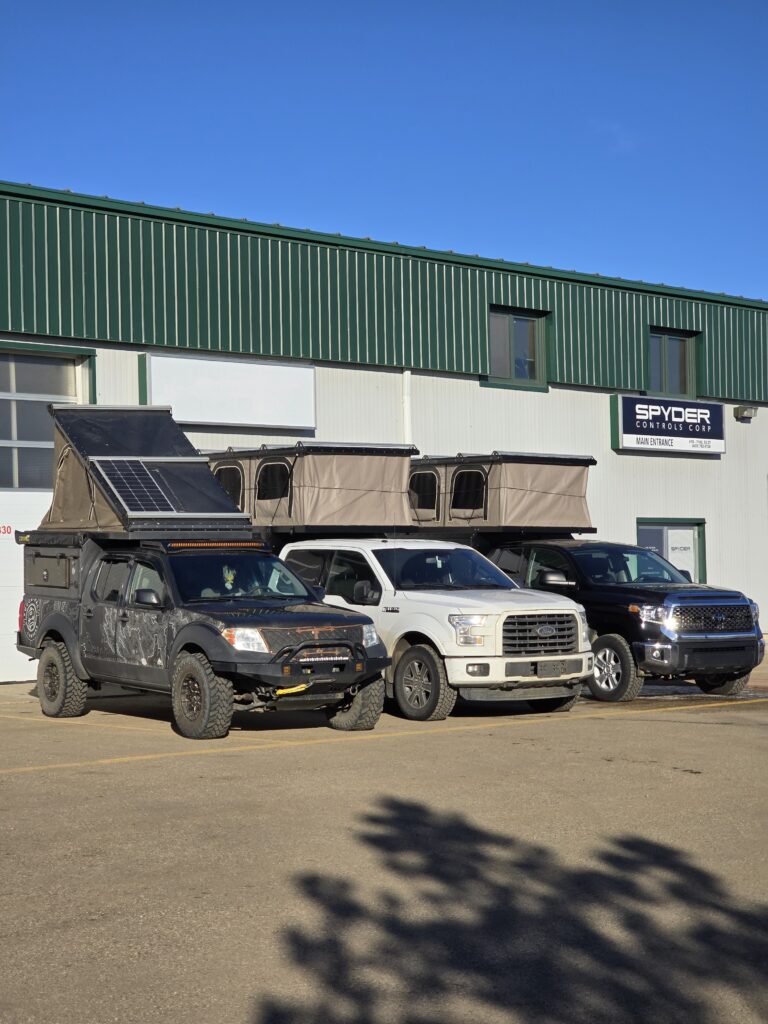
A good truck should not become a liability the moment pavement ends. That is why overland campers have become a serious alternative to rooftop tents, bulky slide-ins, and tow-behind trailers. They give truck owners a protected place to sleep, lockable storage for expensive gear, and the ability to keep moving when the weather turns or the route gets rough.
The best setup is not necessarily the biggest one. For most solo travelers and couples, capability comes from keeping weight low, cargo organized, and setup simple enough that camp still feels easy after a long drive, a wet ride, or a day on the trail.
What Makes Overland Campers Different?
An overland camper is built around mobility first. Rather than asking your truck to haul a full RV-style living space, it turns the truck bed into a compact shelter and gear platform. The goal is to preserve the truck’s off-road manners while adding a dry sleeping area, weather protection, and useful storage.
This category includes pop-up truck campers, canopy campers, bed-mounted tent systems, and some lightweight slide-in designs. They share a common purpose, but the details matter. A tall, heavy unit may offer more interior room, yet it can change how a truck handles on washboard roads, side slopes, and narrow forest routes. A lighter pop-up platform keeps the center of gravity lower and reduces wind resistance when traveling.
For a daily-driven midsize or full-size truck, that difference is more than a spec-sheet number. Less weight means more room for passengers, fuel, recovery equipment, water, bikes, hunting gear, or a small trailer. It also means fewer compromises when the truck is not being used for a weekend away.
A shelter that does more than provide a bed
A rooftop tent can get you off the ground and set up quickly. But it does not solve the problem of secure, enclosed cargo. A traditional truck cap protects gear but leaves you sleeping elsewhere. An overland camper that combines canopy storage with a pop-up sleeping area fills the gap between those options.
With the sleeping section raised, you have room to rest above the bed while the cargo area stays available below. With the roof lowered, the truck remains compact for travel, parking, and trail clearance. It is a practical arrangement for people who carry equipment that should not be exposed to rain, dust, wildlife, or opportunistic theft.
The Weight Question Comes First
Before comparing floor plans, fabrics, or accessories, look at payload. Every truck has a payload rating, and it includes more than the camper itself. Passengers, fuel, recovery gear, food, water, tools, bed racks, and accessories all count.
This is where lightweight overland campers earn their place. A camper in the roughly 300-to-450-pound range puts far less demand on the truck than many conventional slide-in models. That can make a capable setup realistic for more truck owners, including those running midsize pickups or full-size half-tons with modest payload numbers.
Low weight is not an excuse for weak construction. It should come from smart materials and a design that puts strength where it matters. Wood-framed structures can work, but wood brings concerns around moisture intrusion, rot, fastener fatigue, and long-term movement. A no-wood composite structure paired with a formed aluminum exoskeleton is built for a different kind of ownership: wet gear, freeze-thaw cycles, gravel roads, and years of opening and closing the roof.
Weight also affects confidence behind the wheel. A heavy camper can make a truck feel top-heavy and slow to react. Suspension upgrades may help, but they do not change the basic physics of a large load sitting high above the bed. The right camper lets the truck remain a truck – useful, responsive, and ready to travel beyond graded campground roads.
Choose Your Sleeping Layout Around Your Actual Trips
More sleeping capacity sounds better until it adds height, weight, complexity, or unused space. Overland campers are strongest when the layout reflects how you travel most often.
A solo traveler may prioritize a compact roof, room for a mountain bike inside the bed, and a simple one-person sleep area. Couples often want more width, better access from both sides, and a place for clothing and cooking equipment. Hunters and anglers may place secure transport and wet-gear separation above cabin comfort. Families may need a different platform altogether, especially if multiple people need protected sleeping space every night.
Pop-up sleeping areas are especially useful because they create standing or sitting room only when you are camped. When the roof is down, the truck has less frontal area and is easier to maneuver under branches or into a garage. The trade-off is that pop-up systems have fabric walls or soft-side sections, so insulation, sealing, and lift design deserve close attention.
If you camp in shoulder seasons or winter conditions, ask direct questions. How is the structure insulated? What seals the roof? How does condensation escape? Can the sleeping area handle wind and snow? An all-season claim should be supported by material choices and real installation details, not a sticker on the side of the camper.
Security Is Part of the Camping System
Overlanding often means leaving your truck at a trailhead, a boat launch, a grocery store, or an unfamiliar fuel stop. That makes gear security a core requirement, not a luxury feature.
A soft rooftop tent leaves much of your equipment in the cab or exposed in the bed. A basic cap may keep weather out, but not every cap is designed to resist forced entry or protect valuable tools and outdoor equipment. A purpose-built canopy camper can provide enclosed, lockable cargo space while keeping the bed useful.
Look for solid locking points, protected access panels, durable hinges, and structural materials that are not easy to pry or cut. Think about how you will use the space, too. Long items such as fishing rods, recovery boards, rifles in approved cases, camp chairs, and climbing gear need a secure home that does not require unloading the entire truck at each stop.
This is where a well-designed storage layout pays off. The less time you spend sorting bins in the rain, the more likely you are to use the truck for spontaneous overnight stops. Keep recovery gear accessible, separate clean sleeping equipment from muddy tools, and use tiedown points so heavy items do not become projectiles on rough roads.
Build for Weather, Not Just the Photo
Sunny product photos rarely show the conditions that define a camper. Wind-driven rain, dust, early frost, slush, and rapid temperature swings are what reveal whether a system is ready for real use.
For travelers in the Rockies, the Pacific Northwest, the desert Southwest, and anywhere weather changes by elevation, a camper needs reliable sealing and materials that tolerate abuse. Aluminum resists corrosion when properly finished. Composite panels avoid the moisture problems associated with untreated wood. Quality hardware matters because latches, hinges, and roof-lift components are used every time you make camp.
A fast setup is another form of weather protection. If the process takes ten minutes, requires loose parts, or demands clearing half the bed before sleep, you will feel it when rain starts. The most useful overland campers let you pull in, raise the roof, secure the truck, and get out of the weather without turning camp into a production.
That does not mean every feature must be automated. Simpler systems can be easier to service in remote places. The right answer depends on your tolerance for complexity, the way you travel, and whether you value maximum convenience or field-repairable hardware.
Fit, Installation, and Support Matter After Delivery
Even an excellent camper can disappoint if it is poorly fitted to the truck. Bed length, rail shape, tailgate clearance, factory tie-down locations, auxiliary lighting, roof-load needs, and electrical requirements all deserve attention before installation.
A proper pre-delivery inspection catches alignment issues, checks latches and seals, confirms mounting hardware, and verifies any wiring before the camper heads down the road. If you are adding solar, interior lighting, auxiliary batteries, refrigeration, or external accessory power, have the wiring planned as part of the build rather than patched in later.
Support also matters when the camper sees real mileage. Hardware eventually needs adjustment. Seals need inspection. Accessories change. A builder or installer that can service campers, diagnose wiring, make repairs, and work across different makes is far more valuable than a seller who disappears after the sale.
Blindman Overland approaches this category as a Canadian-built truck platform, with lightweight Yucca-Pac campers designed around secure canopy storage, pop-up shelter, and rough-road use. That combination makes sense for truck owners who need a working vehicle Monday through Friday and a capable camp system when it is time to leave town.
Buy the Camper That Keeps You Moving
The right overland camper should expand your range without turning every trip into a payload calculation or a complicated setup routine. Start with your truck’s ratings, then consider where you actually camp, what gear you carry, and how often you travel in poor weather.
Choose a platform that stays light, protects your equipment, and gives you a dry place to sleep without giving up the truck’s ability to reach the places worth camping in. Pack with purpose, tread lightly, and let the road decide how far the trip goes.